Best Drunken Noodle Near Me: What to Look For Before You Order

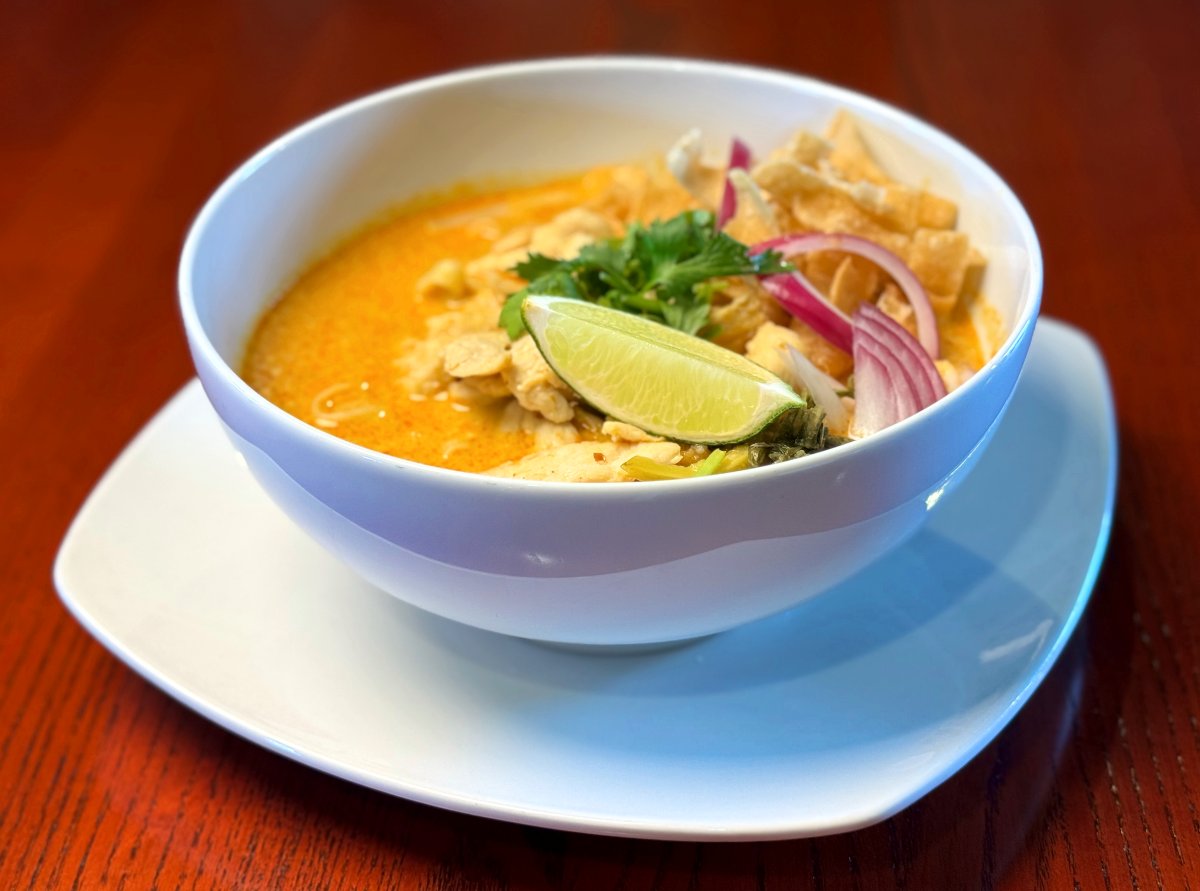
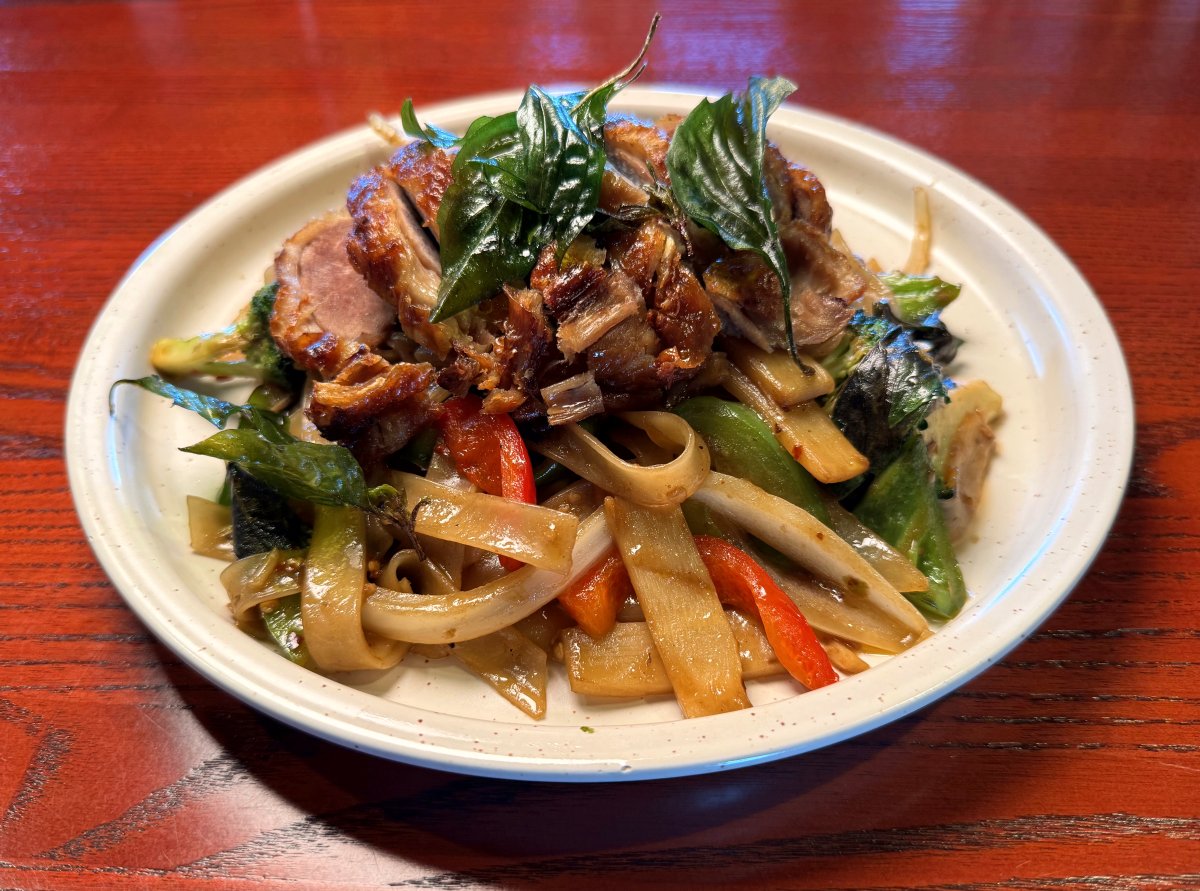
When people search for Drunken Noodles Near Me, they usually want a fast answer. Which Thai place actually makes a good plate, which one sends out a gummy mess, and which menu photo is covering for bland food. The problem is that drunken noodle is one of those dishes that can look broadly similar from restaurant to restaurant while eating completely differently.
A great Drunken Noodle lands with real force. The noodles should be chewy but not rubbery, the sauce glossy but not soupy, the basil fragrant enough to hit your nose before the fork reaches your mouth. You want heat, but not random heat. You want char from the wok, but not scorched bitterness. And you want the vegetables to still feel alive, not collapsed into wet strips that disappear into the sauce.
That sounds simple. It is not. This dish exposes weak technique faster than many other takeout staples. Pad thai can hide behind sweetness. Fried rice can survive average execution. Drunken noodle, especially for delivery or pickup, has nowhere to hide. If the kitchen misses the timing by even a minute or two, the whole thing shifts from bold and balanced to sticky, oily, or flat.
If you are deciding where to order from, there are reliable signs that separate the places worth trying from the ones likely to disappoint. Some clues come from the menu. Some come from the photos. Some come from the way the restaurant handles spice levels, proteins, and noodle choice. And some only become obvious once you have ordered this dish enough times to know what a kitchen can and cannot fake.
What drunken noodle is supposed to taste like
Before you can judge a restaurant, it helps to know the target. Drunken noodle, often listed as pad kee mao, is built around wide rice noodles stir-fried over high heat with a savory sauce, garlic, chiles, vegetables, protein, and Thai basil. The exact balance varies by house style, but the best versions share a few traits.
First, the sauce should be assertive without turning heavy. You should get salt, a little sweetness, some earthy depth, and enough chile to make the dish feel lively. Second, the noodles need elasticity. They should bend and pull apart cleanly, not clump into one soft block. Third, basil matters more than many menus suggest. If the basil is timid or missing, the dish often tastes like generic spicy noodles rather than drunken noodle.
The name also creates false expectations. Some diners assume it should be wildly spicy or soaked in sauce because it sounds rowdy and rich. In practice, good drunken noodle is controlled. It is intense, but not sloppy. A cook who understands this dish knows that restraint is part of the pleasure. Too much liquid kills the wok character. Too much sugar flattens the heat. Too many vegetables crowd the noodles. Too much protein turns the dish into a pile of toppings instead of a balanced stir-fry.
Why this dish is a better test of a Thai kitchen than most people realize
I have always thought drunken noodle tells you more about a restaurant than pad thai does. It asks for speed, timing, and confidence. Wide rice noodles are delicate. They tear if handled roughly and glue together if left sitting too long. Basil bruises quickly. Vegetables need enough heat to blister a little, but not enough to go limp. The sauce needs to coat rather than drown.
A kitchen that makes a strong drunken noodle is usually paying attention to fundamentals. It is likely using a properly hot wok, moving food quickly, and seasoning with intent. A kitchen that turns out oily, dark, sticky noodles may still make decent curries or satay, but it is probably struggling with stir-fry execution.
That matters even more for takeout. Some dishes travel well no matter what. Drunken noodle does not automatically do that. It needs packaging that keeps steam from ruining the texture and portioning that does not compact the noodles into a dense brick. When a restaurant consistently sends out a good version, it means they have thought about the trip from wok to container, not just the ten seconds after plating.
The menu clues most diners miss
A menu will not tell you everything, but it can reveal plenty if you read it carefully. One of the first things I look for is how the restaurant describes the dish. If drunken noodle gets a specific description, mentioning wide rice noodles, Thai basil, chile, and vegetables, that is a good sign. It suggests the restaurant knows what distinguishes it. If the listing is vague, or sounds almost interchangeable with a generic “spicy noodle,” I get more cautious.
Protein options also tell a story. Too many choices can be a red flag, especially if the kitchen offers every imaginable protein from shrimp and tofu to duck, salmon, imitation crab, and crispy pork on the same stir-fry line. A focused list usually means better execution. It is easier to cook chicken, beef, tofu, and shrimp well than to promise a dozen possibilities and do all of them half-heartedly.
The spice scale deserves attention too. If the menu gives a thoughtful range, or explains that the dish is naturally spicy and can be adjusted, that usually reflects some care. If every item on the menu uses the same generic “mild, medium, hot, extra hot” wording with no detail, you may still get a good meal, but the kitchen may be relying on a one-size-fits-all approach.
Watch out for menus that overemphasize sweetness in the description. Drunken noodle should not read like a sweet soy noodle dish. A touch of sweetness belongs there, but it is not the main event.
Photos can help, but only if you know what to notice
Online ordering lives and dies by photos now, but most people look at the wrong details. They focus on portion size, glossy noodles, or visible chicken. I look for texture and proportion.
The best photo usually shows noodles that look loose rather than packed together. You want to see separation, a little wrinkling on the noodle surface, maybe a few charred edges, and vegetables that still hold shape. Basil leaves should be visible, even if slightly wilted from the heat. The color should be deep but not muddy. If the dish looks black-brown and shiny like it has been lacquered, it may be over-sauced. If it looks pale and dry, it may be under-seasoned or timidly cooked.
Another detail people miss is onion and pepper treatment. In a good photo, they should look briefly stir-fried, not raw and not stewed. When onions appear translucent and flattened, and peppers look tired, I start expecting a soggier dish.
Photos are not proof, of course. Restaurants reuse old hero shots, and delivery apps often compress or misrepresent color. But they can still save you from obvious disappointments.
How to judge reviews without getting misled
Reviews are helpful for drunken noodle, but only if you separate noise from patterns. One person’s “too spicy” may be another person’s perfect medium. One person’s complaint that the noodles were stuck together might reflect a twenty-minute drive home with the container unopened on the passenger seat. What matters is repetition.
If multiple reviewers mention strong wok flavor, balanced spice, fresh basil, or noodles that hold up well in takeout, pay attention. If multiple reviewers describe the dish as greasy, too sweet, mushy, or bland, believe them. Those are structural problems, not random off nights in most cases.
The most useful reviews often include small, concrete details. Someone noting that the restaurant packed extra chile on the side without being asked because they ordered “Thai hot” before, or that the basil aroma was still noticeable after delivery, tells me more than ten generic five-star ratings. Details reveal experience. Generic praise usually just reveals satisfaction.
It also helps to notice what kind of restaurant you are dealing with. A place known mainly for sushi, poke, and “Asian fusion” may still make a decent drunken noodle, but the odds are usually better at a Thai-focused kitchen with a strong stir-fry section. Breadth is not always a virtue.
The ingredients that matter most once the food arrives
Once the container is open, a few things become clear almost immediately. You can think of this as a quick quality check before the first bite.
- Wide rice noodles should be soft and springy, not broken into short strips or fused into a paste.
- Thai basil should smell distinct and herbal, not like an afterthought buried under sauce.
- Vegetables should still have shape and some bite, especially onion and bell pepper.
- The sauce should coat the noodles lightly, not pool in the corners of the container.
- Heat should build gradually, not hit like a blunt wall of chile paste.
If a dish fails three or four of those points, it is probably not a place to revisit for drunken noodle. One flaw can happen. A complete collapse usually means the kitchen does not handle the dish well.
Spice level is not just about bravery
A lot of people treat spice choice like a personality test. Mild is boring, extra hot is impressive, medium is safe. That is the wrong way to order drunken noodle. Spice level should match how much you want to taste everything else.
For a first order from a new restaurant, medium or whatever equivalent sits just above moderate is usually the smartest call. That lets you evaluate the sauce, basil, and wok character without drowning the dish in raw heat. If you later decide the kitchen has a good hand with chiles, you can step up. Going too hot on the first try can make a mediocre dish seem bold and a great dish seem unbalanced.
There is also a practical takeout issue here. Spice blooms as food sits. A dish that tastes perfect straight from the wok can feel significantly hotter fifteen or twenty minutes later inside a sealed container. Steam pushes the aromatics around, the sauce settles deeper into the noodles, and what felt calibrated in-house may hit harder at home.
Restaurants vary dramatically in what “hot” means. Some use a broad Americanized scale. Others take the request literally. That is why I tend to trust places more when they note whether their spice scale is traditional or when they caution diners that certain levels are genuinely hot. That kind of honesty often translates into better cooking overall.
Protein choices change the dish more than most menus admit
Chicken is the baseline for many diners because it is familiar and forgiving. It also tells you a lot. If the chicken is dry, chopped too small, or disappears under sauce, the kitchen may be moving too fast or relying on pre-cooked protein held too long. Good chicken in drunken noodle should be tender and substantial enough to notice, but not so abundant that it steals space from the noodles.
Beef can work beautifully if sliced thin and cooked quickly. It also punishes overcooking. A restaurant that offers beef in drunken noodle and executes it well usually has solid wok timing. Shrimp is trickier for takeout because it can overcook in residual heat after packing, so I only choose it when the restaurant already has a strong seafood reputation.
Tofu is one of the better tests of care. A thoughtful kitchen seasons tofu so it contributes something beyond texture. A lazy one throws in pale cubes that soak up sauce without adding flavor. If you are vegetarian and trying a new spot, drunken noodle with tofu can be revealing in both good and bad ways.
Crispy proteins, when offered, deserve caution. Crispy chicken or crispy tofu almost always lose their texture in a sauced noodle dish during delivery. They may still taste good, but the menu promise and the at-home reality are rarely the same.
Portion size can hide quality problems
Big portions get glowing reviews. That is understandable. Nobody likes paying takeout prices for a tiny box. Still, drunken noodle is one of those dishes where excess can work against the eating experience.
An overloaded container traps steam and compresses noodles. By the time you open it, the bottom can be wet and the center clumped. A moderate, well-balanced portion often eats better than a giant slab of noodles with a handful of vegetables pushed to the edges. Restaurants sometimes use huge portions to distract from average seasoning or weak ingredient quality. People remember abundance even when they do not remember finesse.
That does not mean small portions are better. It means the best restaurants size the dish so it can survive transport. When I find a place that packs drunken noodle in a wider container rather than a deep, cramped one, I notice. It shows somebody in the operation understands how steam changes texture.
Delivery distance matters more than people think
This is one of the least glamorous truths in takeout. Even a very good drunken noodle can degrade quickly on a long ride. Wide rice noodles keep cooking from residual heat. Basil wilts further. Sauce settles. Vegetables lose edge. Ten extra minutes can be the difference between lively and tired.
So when you search Drunken Noodles Near Me, proximity is not just convenience. It is quality control. If two restaurants look equally promising and one is twelve minutes away while the other is twenty-eight, the closer one has a real advantage. This is especially true on cold or rainy nights, when drivers may stack orders and stretch delivery times.
If you care about texture, pickup is often worth it for this dish. A quick drive home with the container slightly vented beats a long delivery trip in most cases. I have had excellent drunken noodle from restaurants that I would never order through an app because the route all but guarantees a softer, flatter result.
What a well-run restaurant often gets right beyond the food itself
Good drunken noodle usually comes from restaurants that handle details well. The menu is clear. Modifications are limited but sensible. The app notes about spice are readable. The order arrives packed tightly enough to prevent spills, but not so tightly that the noodles steam themselves into one piece. Condiments, if included, make sense.
There are usually signs of discipline elsewhere too. Maybe the curries are separated clearly by sweetness and spice. Maybe the restaurant does not promise every regional Thai dish under the sun. Maybe the reviews mention consistency on weekdays as well as weekends. https://landenxquw448.bearsfanteamshop.com/drunken-noodles-near-me-where-to-find-the-freshest-thai-basil These details matter because stir-fry dishes live or die on systems.
One of the strongest signals, in my experience, is consistency across comments and across visits. A place that makes a great drunken noodle once and an average one twice is not really a drunken noodle destination. Repeatability is the standard.
When a less traditional version is still worth ordering
Purists can be rigid about this dish, and sometimes for good reason. A version without real basil, without enough heat, or with overly sweet sauce can drift so far that the name stops meaning much. Still, there is room for house style. Some restaurants lean smokier, some saltier, some more vegetal. A few use more baby corn or different peppers than you might expect. That is not automatically a flaw.
The question is whether the variation feels intentional and coherent. If the dish tastes composed, if the noodles are handled with care, and if the flavors still deliver that signature combination of savory depth, chile energy, and basil lift, I am open to personality. What I do not forgive is sloppiness disguised as creativity.
The same goes for menu customization. Some diners add broccoli, extra egg, or a different noodle when the restaurant allows it. That can be fine, but every substitution changes the balance. A kitchen that resists too many modifications may actually be protecting the dish.
A practical way to order from a new place
If you are trying a restaurant for the first time and want the best chance of getting an accurate read on its drunken noodle, keep the order simple.
- Choose a standard protein such as chicken, beef, or tofu.
- Order a moderate spice level rather than the maximum.
- Skip major substitutions on the first visit.
- Pick up the food if the restaurant is more than fifteen to twenty minutes away.
- Eat it soon after it arrives, not an hour later between errands.
Those decisions remove variables. If the dish still disappoints, you can blame the restaurant rather than the customizations, delivery lag, or your own spice gamble.
The difference between acceptable and memorable
A lot of places produce acceptable drunken noodle. It is hot, salty, filling, and good enough after a long day. That is a low bar. Memorable drunken noodle does more. It makes the noodles the star rather than just the vehicle. It smells vivid when you open the lid. It leaves you noticing specific things, the basil, the sear, the way the sauce clung without puddling, instead of just remembering “spicy noodles.”
The best versions also have movement. One bite gives you soft noodle and onion sweetness. The next gives you chile. Then basil comes forward. Then a little char. This is what keeps the dish from becoming monotonous halfway through the box, which is a common failure in mediocre versions.
If you regularly order Thai takeout, it is worth finding the one or two restaurants nearby that really understand this dish. Once you do, your standards for everyone else will rise quickly.
So, what should you actually look for before you tap “place order”?
Look for a restaurant that treats drunken noodle as a distinct dish, not a generic spicy noodle option. Look for menu language that mentions wide rice noodles and basil with some specificity. Look for photos where the noodles appear loose, the vegetables still have life, and the sauce is controlled. Look for reviews that mention texture, wok flavor, and consistency instead of empty praise. Favor places close enough to get the dish to you before steam does its damage.
Most of all, trust the small signals. Restaurants reveal themselves in details. A careful menu, realistic spice notes, balanced portions, and repeat customer comments usually point in the same direction. When they do, your odds of finding the best Drunken Noodles Near Me go up sharply.
And when the right order arrives, you will know almost immediately. The lid lifts, basil and chile rise together, and the noodles look like they were cooked by someone who understands exactly how much heat, sauce, and restraint the dish needs. That is the version worth remembering, and reordering.
Nakhon Luang Thai Kitchen
Address: 805 Village Center Dr, Colorado Springs, CO 80919
Phone number: +17195315175
FAQ About Drunken Noodles Near Me
What makes it drunken noodles?
Drunken noodles, or Pad Kee Mao, get their name from the Thai word khi mao (meaning "drunkard"). They contain no alcohol. The name comes from the idea that the dish is a popular late-night meal to cure a hangover or a great food to eat with a cold beer.
What is the difference between pad see ew and drunken noodles?
While both Pad See Ew and Drunken Noodles use the same wide rice noodles, Pad See Ew is a mild, sweet-savory dish made with dark soy sauce and Chinese broccoli, whereas Drunken Noodles (Pad Kee Mao) are fiery, garlicky, and herbaceous with fresh chilies and Thai basil.
What are traditional drunken noodles?
Traditional drunken noodles, known as Pad Kee Mao in Thai, are a fiery, savory street food stir-fry made with wide flat rice noodles, fresh garlic, lots of hot chilies, meat or tofu, and fragrant holy basil. Despite the name, they contain no alcohol; the dish is traditionally eaten late at night or as a hangover cure because the intense spice helps clear the head.