How to Avoid Mushy Noodles in Drunken Noodles Recipes
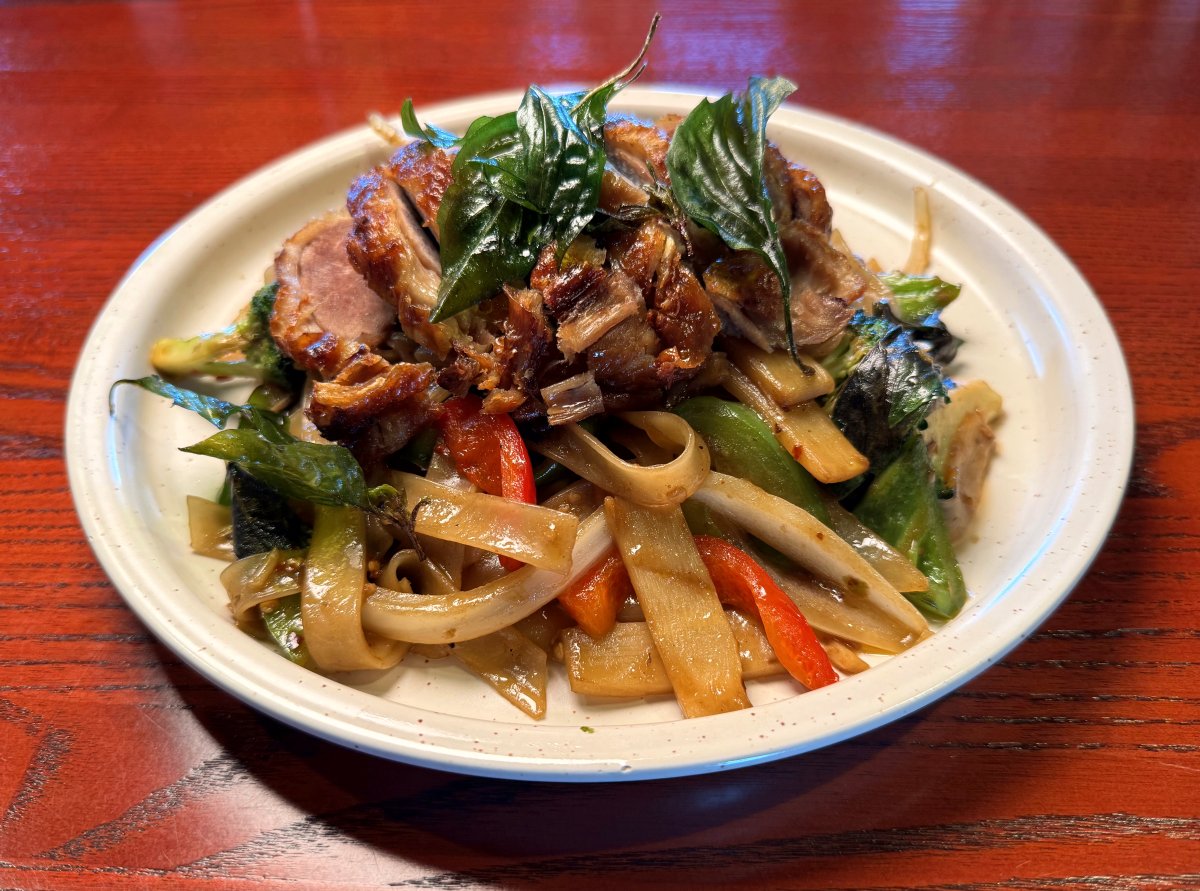
Drunken Noodles can go from bold and satisfying to soft and heavy in a matter of minutes. The difference usually is not the sauce, the basil, or the heat level. It is the noodle texture. When these noodles are right, they have chew, shine, and enough structure to hold up against a hot wok, a savory sauce, and quick-cooked vegetables. When they are wrong, the whole dish collapses into something sticky and dull.
That problem shows up often with home cooks because Drunken Noodles ask a lot from the noodles in a short span. They are soaked or boiled, then tossed in a very hot pan, then coated in sauce, then mixed with ingredients that release moisture of their own. Every one of those stages can soften them a little more. Add just one mistake too many, and the noodles lose the springy bite that makes the dish worth cooking.
I have seen this happen even in kitchens that otherwise know what they are doing. The pan is hot, the aromatics are ready, the protein is properly seared, and then the noodles hit the wok already over-softened from prep. At that point, the rest of the cooking only makes matters worse. The good news is that mushy noodles are highly preventable. The fix is less about one secret trick and more about understanding how rice noodles behave under heat and moisture.
The real reason noodles turn mushy
Mushy noodles are almost always the result of excess hydration plus excess carryover cooking. Rice noodles, the kind most often used for Drunken Noodles, do not have the same forgiveness as wheat pasta. They go from stiff to tender quickly, and they keep softening even after you drain them. Then the stir-fry pan introduces another layer of heat, plus sauce, plus steam.
The mistake many people make is thinking of noodle prep and stir-frying as two separate cooking events. In practice, they are one continuous process. If the noodles are fully soft before they enter the wok, they are already too far along. They still have another minute or two of exposure ahead of them, and that is enough to push them past tender into bloken-down and gummy.
Thickness matters too. Wide rice noodles, whether fresh or dried, have uneven hydration patterns. The outer layer softens first. The center lags behind. That can fool you into over-soaking or over-boiling because one part still feels firm. If you wait for perfect softness before the pan stage, the outside will not survive the toss.
There is also the sauce factor. Drunken Noodles are not soupy, but they are generously coated. Soy sauce, oyster sauce, fish sauce, and a little sugar or dark soy bring both flavor and moisture. If your wok is not hot enough to reduce quickly, the noodles sit in liquid and steam. Steam is gentle, but it is relentless. It softens everything.
Start with the right kind of noodle
The easiest way to improve texture is to choose the right noodle from the start. Fresh wide rice noodles are traditional and excellent when handled properly, but they can be fragile. Dried wide rice noodles are more common for home cooks and often easier to control because you can stop their hydration at the point you want.
If you are buying dried noodles, look for medium-wide or wide rice noodles labeled for stir-frying, often around 6 to 10 millimeters across. Very thin noodles tend to soften too fast for this dish. They can still taste good, but they are less resilient in a hard stir-fry. Extra-wide fresh noodles can be wonderful, though they require a lighter hand because they tear more easily once softened.
Age also matters. Fresh rice noodles that have been sitting too long can crack when separated or turn gummy when heated. Dried noodles stored in a humid pantry can behave unpredictably because they have already absorbed some moisture. If the package feels at all compromised, texture problems become more likely.
One practical sign of a good candidate for Drunken Noodles is whether the noodle can bend without instantly splitting once hydrated. You want flexibility, not flab. That distinction becomes clearer after a couple of batches. The noodles should feel alive, not limp.
The soaking question, where most texture problems begin
People often ask whether rice noodles should be soaked or boiled. The answer depends on the brand, thickness, and whether the noodles are fresh or dried. For most dried wide rice noodles used in Drunken Noodles, soaking in warm or room-temperature water gives you more control than boiling. Boiling can work, but the margin for error is much smaller.
A useful rule is to hydrate until the noodles are bendable and nearly edible, but still slightly underdone in the center. If you bite into one, you should not get a chalky crunch, but you also should not get full softness. Think of the noodle as 80 to 90 percent done before it reaches the wok.
With soaking, exact minutes vary a lot by brand. Some wide noodles soften in 20 minutes in warm water. Others take 35 or more. That is why package directions help, but they should not be treated as law. Testing a strand matters more than watching the clock. I have used two brands in the same month that behaved differently by nearly 10 minutes.
Boiling is faster, but it can overshoot quickly. If you boil, keep the time brief, usually just a couple of minutes for dried wide rice noodles, then drain immediately and rinse if the recipe and your timing call for it. Rinsing is not mandatory, but it can stop the cooking and wash off excess surface starch if the noodles seem too sticky. Some cooks avoid rinsing because they want better sauce adhesion. That is fair, though if your noodles are on the edge of overcooking, preserving a little starch is not worth the risk.
Fresh noodles are different. They usually do not need soaking at all. They need separation. If they are cold and clumped, a short microwave burst, a quick steam, or a few seconds in hot water can loosen them. The goal is not to cook them further, only to make them pliable enough to separate. Once fresh noodles become fully hot and soft before the wok, they are in danger.
What “slightly underdone” actually feels like
This is the texture cue that saves the dish. Slightly underdone rice noodles do not feel raw. They feel springy, with a faint firmness at the center when bitten. They should not resist like uncooked pasta. Instead, they should seem almost ready, but not comfortably ready.
A useful comparison is this: if you tasted the noodle plain and decided it was perfect for immediate eating, it is probably too soft for Drunken Noodles. If you tasted it and thought, “another minute in the pan will finish this,” that is the sweet spot.
That judgment becomes easier if you remember what the wok adds. A hot pan gives direct heat. Sauce gives moisture. Vegetables give steam. Even resting in the bowl for a couple of minutes continues the softening. Your target is not ideal texture at the sink. It is ideal texture at the table.
Drain well, then give the noodles a minute
One overlooked step is simply letting the noodles drain thoroughly. Rice noodles hold surface water in folds and between strands. If they go from soaking bowl to wok carrying extra water, that moisture drops pan temperature and encourages steaming. Both lead to softness.
After draining, let them sit for a minute or two in a colander. If they are especially wet, spread them briefly on a tray or large plate. A tiny bit of neutral oil can help prevent sticking, especially if you are working with dried noodles that have cooled slightly. Use a very light touch. Too much oil keeps the sauce from coating evenly.
This pause also gives the noodle surface time to settle. Very freshly soaked noodles can seem delicate and slippery. A short rest often makes them easier to toss without tearing.
Control the wok, not just the noodles
Even perfectly prepped noodles can turn mushy in a crowded or underheated pan. Drunken Noodles need fast cooking over strong heat. The pan should be hot enough that sauce reduces quickly and ingredients sear rather than leak water.
A common home-kitchen pattern goes like this: protein goes in, then vegetables, then aromatics, then sauce, then noodles, all in one medium-hot skillet. It smells good, but moisture accumulates faster than it evaporates. Once that happens, the noodles simmer instead of stir-fry.
You do not need restaurant-level burners to avoid this, but you do need to work in stages. Cook the protein first and remove it if necessary. Let high-moisture vegetables like broccoli, mushrooms, or baby corn cook off their water before the noodles enter. Keep sauce measured and ready so it can go in quickly, not dribbled in while the pan cools.
If your skillet is small, reduce the batch size. A smaller batch with proper heat will always beat a large batch that steams itself to death. This is one of those trade-offs that frustrates people because cooking in batches feels inefficient. In reality, it is the faster route to good texture because you avoid trying to rescue a wet pan.
Sauce quantity matters more than people think
Drunken Noodles should be glossy, not drenched. Too much sauce is one of the fastest roads to softness. Rice noodles absorb liquid on contact, and any extra stays in the pan as steam.
A balanced sauce should season the noodles without pooling at the bottom. If you regularly find liquid left in the wok after tossing, reduce the amount next time or increase the heat before the noodles go in. Another fix is to add sauce around the edge of the pan so it hits heat directly and reduces slightly before coating the noodles.
Sugar plays a role here too. A little sweetness rounds out the salty and savory notes, but excess sugar thickens and clings in a way that can make noodles feel pasty. Dark soy sauce can also intensify that effect if used heavily. Flavorful does not need to mean saturated.
The timing of vegetables and aromatics
Vegetables release water at different rates, and that changes noodle texture more than most recipes admit. Bell peppers stay relatively dry if cooked hot and fast. Onions soften and sweeten without flooding the pan unless crowded. Mushrooms, zucchini, and certain greens can release a lot of moisture.
Thai basil, the signature herb in Drunken Noodles, should go in late. So should softer greens. If they go in too early, they wilt down and steam the pan. Long beans or Chinese broccoli can handle earlier cooking, but they should still be managed with heat in mind.
Garlic and chiles are another timing issue. They need enough heat to bloom, but not so much time that they burn while you are still wrestling with wet noodles. In practical terms, that usually means aromatics go in after the bulk ingredients are mostly cooked and just before sauce and noodles.
Fresh noodles versus dried noodles, the trade-off
Fresh noodles offer a tenderness and elasticity that many cooks love in Drunken Noodles. They can also be less forgiving. If they are compacted from refrigeration, separating them roughly can break them. If they are heated too aggressively too early, they can turn sticky fast.
Dried noodles give you more control over hydration, and for many home cooks they are the safer bet. They also hold their shape well in a busy pan. The downside is that some brands can remain stiff at the core if you under-soak them too much. The line between springy and too firm is narrower than with fresh noodles, but still easier to manage than a batch of delicate fresh sheets gone soft.
If you are still dialing in your process, start with a reliable dried wide rice noodle and soak it carefully. Once you can consistently hit the right texture, move to fresh noodles if you want a more traditional feel.
A practical sequence that protects texture
The best Drunken Noodles cooking flow keeps the noodles in the pan for the shortest time necessary. That means almost everything else should be ready first.
- Hydrate or loosen the noodles until just shy of done, then drain very well.
- Cook protein and set it aside if the pan is getting crowded.
- Stir-fry sturdier vegetables until most moisture has cooked off.
- Add aromatics, then sauce, then noodles, and toss briefly over high heat.
- Return protein and finish with basil just until wilted.
That sequence looks simple because it is. The discipline lies in not letting the noodles linger while other ingredients catch up. If the noodles are waiting in the pan for broccoli to soften or chicken to finish cooking, they are being overcooked in slow motion.
When sticking tricks you into overcooking
Another reason people overcook noodles is panic. The noodles hit the pan, start to cling, and the instinct is to add more liquid. Usually that means more sauce, water, or oil. More liquid buys temporary movement, but it often costs texture.
A better approach is to make sure the pan is truly hot before the noodles go in and to toss decisively. If the noodles are slightly underdone and properly drained, they will loosen as they absorb sauce and heat. If they are sticking in one dense mass, that often points back to prep. They may have cooled into a clump, carried too much starch, or entered the pan too wet.
A splash of water can be useful in a dry pan with underhydrated noodles, but it should be a corrective measure, not a reflex. Think teaspoons, not a free pour. You are adjusting texture, not creating steam.
How to recover a batch that is heading toward mush
Once noodles become fully mushy, there is no perfect rescue. The starch structure has already broken down. Still, you can stop a borderline batch from getting worse.
First, turn up the heat if the pan can handle it. You want excess moisture to evaporate quickly. Second, stop adding liquid immediately, even if the noodles seem sticky. Third, get the food out of the pan as soon as the sauce is reduced and the basil is wilted. Residual heat in the wok keeps cooking the noodles even off the burner.
If the noodles are only slightly softer than you wanted, adding a handful of fresh basil or crisp vegetables at the end can restore some contrast. That will not change the noodle itself, but it can make the dish feel less heavy. Texture in a stir-fry is cumulative. A little crunch can compensate for noodles that missed the mark by a small margin.
Common mistakes that quietly ruin texture
Some problems are obvious, like boiling the noodles too long. Others are subtle and happen even when the https://reidhvcj295.clearhavendigest.com/posts/family-friendly-drunken-noodles-everyone-will-enjoy recipe looks right on paper.
- Following the package timing without tasting the noodles.
- Combining too many wet ingredients in a small pan.
- Letting hydrated noodles sit in water while other prep continues.
- Adding all the sauce at once to a pan that is not hot enough.
- Leaving the finished dish covered, where steam keeps softening everything.
That last point catches people off guard. Covering the skillet for even a minute can undo a careful cook. Trapped steam settles back into the noodles and turns a glossy stir-fry into something softer and denser.
The role of rest, surprisingly enough
Most stir-fries are best served immediately, and Drunken Noodles are no exception. Still, a very short rest, about 30 seconds to a minute off heat and uncovered, can help sauce cling and let surface steam escape. What you want to avoid is the long rest in a hot pan or covered bowl.
If you are serving several people, warm the plates instead of holding the noodles in the skillet. That keeps the dish pleasant without continuing the cook. In restaurant kitchens, speed from wok to plate solves this. At home, planning the table ahead of time solves it just as well.
If you reheat leftovers, texture changes are inevitable
Leftover Drunken Noodles rarely match the first serving. Rice noodles continue to absorb moisture as they sit, and refrigeration firms and dries them in uneven ways. Reheating then softens some sections while others break apart. That does not mean leftovers are bad, only that expectations should shift.
For the best reheating result, use a hot skillet, not a microwave if you can avoid it. Add just a tiny splash of water to create enough steam to loosen the noodles, then reheat quickly. Too much liquid turns yesterday’s soft noodles into today’s mush. Accept that the dish will be a little more tender than it was fresh and aim for flavorful rather than perfect.
Texture is the heart of the dish
Drunken Noodles are remembered for heat, basil, and savory depth, but texture is what carries all of that. A chewy noodle stands up to chile and garlic. It catches sauce without dissolving into it. It gives the dish shape and contrast.
Once you start treating the noodles as the central technical element rather than the passive base, the recipe becomes much easier to control. Undercook them slightly before the wok. Keep the pan hot. Use less liquid than you think. Move fast at the finish. Those habits matter more than any brand recommendation or special ingredient.
A good plate of Drunken Noodles should feel energetic. The noodles should bend but not slump. The sauce should coat, not pool. The basil should perfume the dish without weighing it down. Hit those marks, and the problem of mushy noodles usually disappears. What remains is the dish people were hoping for in the first place, spicy, glossy, and full of life.
Nakhon Luang Thai Kitchen
Address: 805 Village Center Dr, Colorado Springs, CO 80919
Phone number: +17195315175
FAQ About Drunken Noodles
What makes it drunken noodles?
Drunken noodles, or Pad Kee Mao, get their name from the Thai word khi mao (meaning "drunkard"). They contain no alcohol. The name comes from the idea that the dish is a popular late-night meal to cure a hangover or a great food to eat with a cold beer.
What is the difference between pad see ew and drunken noodles?
While both Pad See Ew and Drunken Noodles use the same wide rice noodles, Pad See Ew is a mild, sweet-savory dish made with dark soy sauce and Chinese broccoli, whereas Drunken Noodles (Pad Kee Mao) are fiery, garlicky, and herbaceous with fresh chilies and Thai basil.
What are traditional drunken noodles?
Traditional drunken noodles, known as Pad Kee Mao in Thai, are a fiery, savory street food stir-fry made with wide flat rice noodles, fresh garlic, lots of hot chilies, meat or tofu, and fragrant holy basil. Despite the name, they contain no alcohol; the dish is traditionally eaten late at night or as a hangover cure because the intense spice helps clear the head.